Introduction
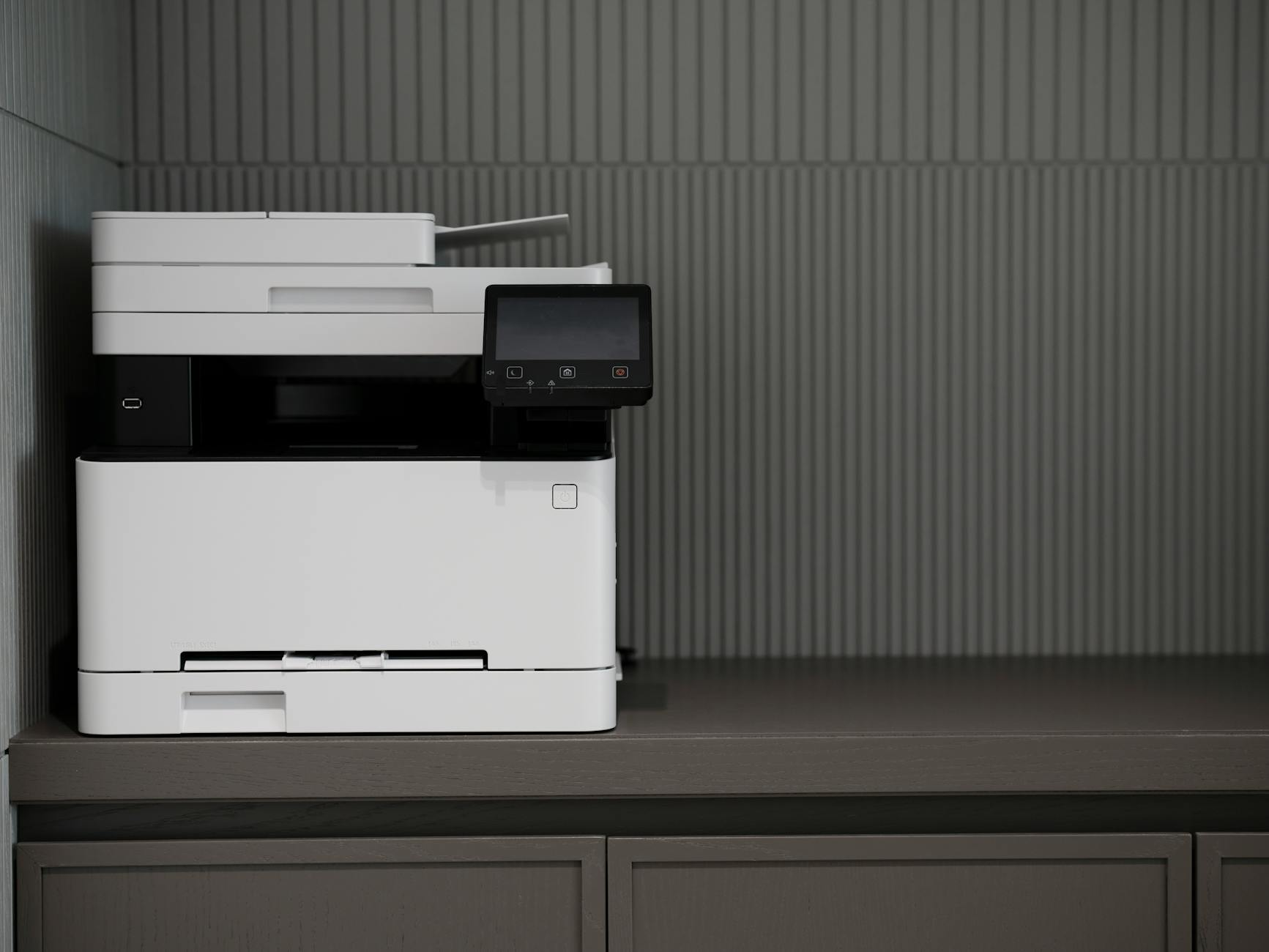
Printers are among the most common electronics in homes and offices. Yet when they break down or become outdated, many are discarded improperly, contributing to the global e-waste crisis.
According to the United Nations, the world generated over 62 million metric tons of e-waste in 2022, and less than 25% was properly recycled. Recycling printers is a practical step that households and businesses can take to reduce environmental harm and promote sustainability.
Preventing Toxic Pollution
Printers contain hazardous materials such as circuit boards, toner, and ink cartridges. If sent to landfills, these components can release toxins like lead, cadmium, and volatile organic compounds into soil and water.
The U.S. Environmental Protection Agency (EPA) warns that improper disposal of electronics contributes to groundwater contamination and air pollution. Recycling ensures these substances are safely managed, protecting ecosystems and public health.
Conserving Natural Resources
Printers are built with valuable materials including steel, aluminum, copper, and plastics. Recycling allows these resources to be recovered and reused in new products. The EPA notes that recycling one million laptops saves enough energy to power over 3,500 U.S. homes for a year.
While printers differ in composition, the principle is the same: reusing materials reduces the need for mining and manufacturing new raw resources, lowering greenhouse gas emissions and preserving natural habitats.
Lowering Greenhouse Gas Emissions
Manufacturing new printer components from raw materials consumes far more energy than reprocessing recycled parts. The International Telecommunication Union (ITU) highlights that recycling electronics significantly reduces carbon emissions by cutting energy-intensive extraction and refining processes.
By recycling printers, households and businesses directly contribute to climate change mitigation.
Supporting the Circular Economy
Recycling printers is part of a broader shift toward a circular economy, where products and materials are kept in use for as long as possible. Many printer parts can be refurbished or repurposed, extending their life cycle. This reduces waste, lowers demand for new manufacturing, and encourages sustainable business practices. The Ellen MacArthur Foundation emphasizes that circular models are essential for reducing global resource consumption and waste.
Protecting Ecosystems and Wildlife
Discarded printers in landfills can leach toxins into groundwater, threatening aquatic life and biodiversity. Recycling diverts bulky electronics from landfills, reducing pollution and easing pressure on waste management systems. This helps maintain cleaner environments for both people and wildlife.
Conclusion
The environmental benefits of recycling printers are clear: it prevents toxic pollution, conserves valuable resources, lowers greenhouse gas emissions, supports the circular economy, and protects ecosystems.
For households, recycling printers is a simple step toward a sustainable lifestyle. For businesses, it demonstrates corporate responsibility and compliance with e-waste regulations.
By choosing to recycle printers responsibly, we all contribute to a cleaner, greener future.
Sources:
: United Nations Institute for Training and Research (UNITAR) – Global E-waste Monitor 2024
: U.S. Environmental Protection Agency – Electronics Recycling Facts
: International Telecommunication Union – E-waste and Climate Impact Report
: Ellen MacArthur Foundation – Circular Economy Principles