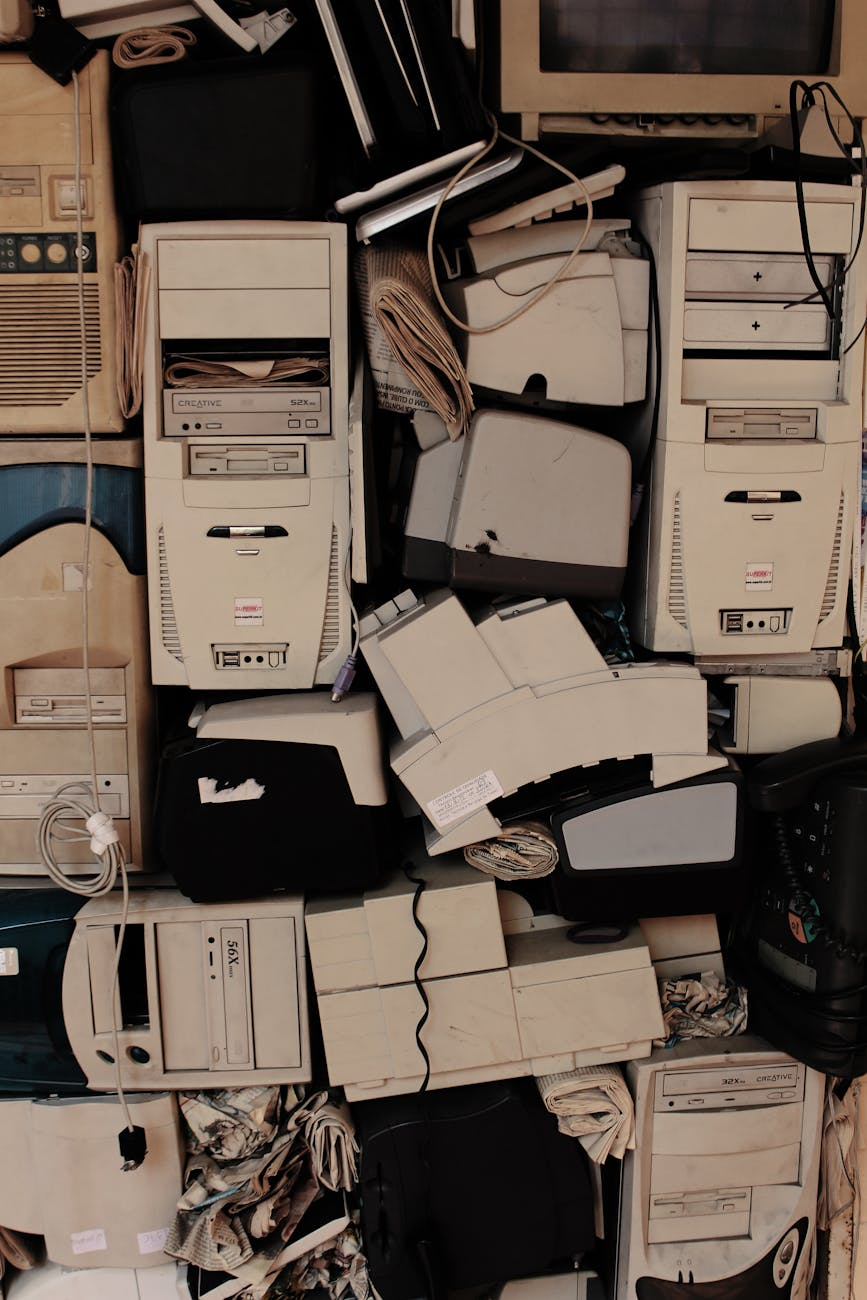
Introduction: The Growing E-Waste Challenge
In today’s digital-driven world, electronic devices are everywhere—from smartphones and laptops to televisions and household appliances. But as technology evolves rapidly, millions of tons of outdated electronics are discarded each year. This growing mountain of electronic waste (e-waste) poses serious risks if not managed responsibly.
Environmental and Health Risks
- Toxic substances: E-waste often contains hazardous materials such as lead, mercury, and cadmium. If dumped in landfills, these chemicals can leach into soil and water, contaminating ecosystems and drinking supplies.
- Air pollution: Informal burning of e-waste releases harmful fumes, contributing to respiratory illnesses and climate change.
- Human health hazards: Communities near poorly managed disposal sites face increased risks of cancer, neurological damage, and developmental issues due to exposure to toxic metals.
Conservation of Resources
- Recovering valuable materials: Electronics contain precious metals like gold, silver, copper, and rare earth elements. Recycling allows these materials to be extracted and reused in new devices.
- Reducing mining impact: By reusing recovered metals, we reduce the need for destructive mining practices that harm ecosystems and consume vast amounts of energy.
- Circular economy: Recycling supports a sustainable loop where materials are continuously repurposed instead of wasted.
Economic and Social Benefits
- Job creation: Recycling industries generate employment opportunities in collection, processing, and refurbishment.
- Cost savings: Manufacturers benefit from cheaper access to recycled raw materials compared to mining new ones.
- Community engagement: Cities that invest in recycling programs foster a culture of sustainability and responsibility.
Steps Toward Responsible E-Waste Management
- Consumer awareness: Educating individuals about the dangers of improper disposal and the benefits of recycling.
- Accessible recycling centers: Expanding certified facilities where people can drop off old electronics.
- Manufacturer responsibility: Encouraging companies to design products with recyclability in mind and to offer take-back programs.
- Government policies: Implementing stricter regulations to prevent illegal dumping and incentivize recycling initiatives.
Conclusion: Why does it matter?
Electronic waste recycling is not just an environmental issue—it’s a matter of public health, economic sustainability, and global responsibility. By making conscious choices to recycle our devices, we help protect ecosystems, conserve valuable resources, and build a cleaner future. Every smartphone, laptop, or television recycled is a step toward a healthier planet.